
When Fear Travels Farther Than an Outbreak
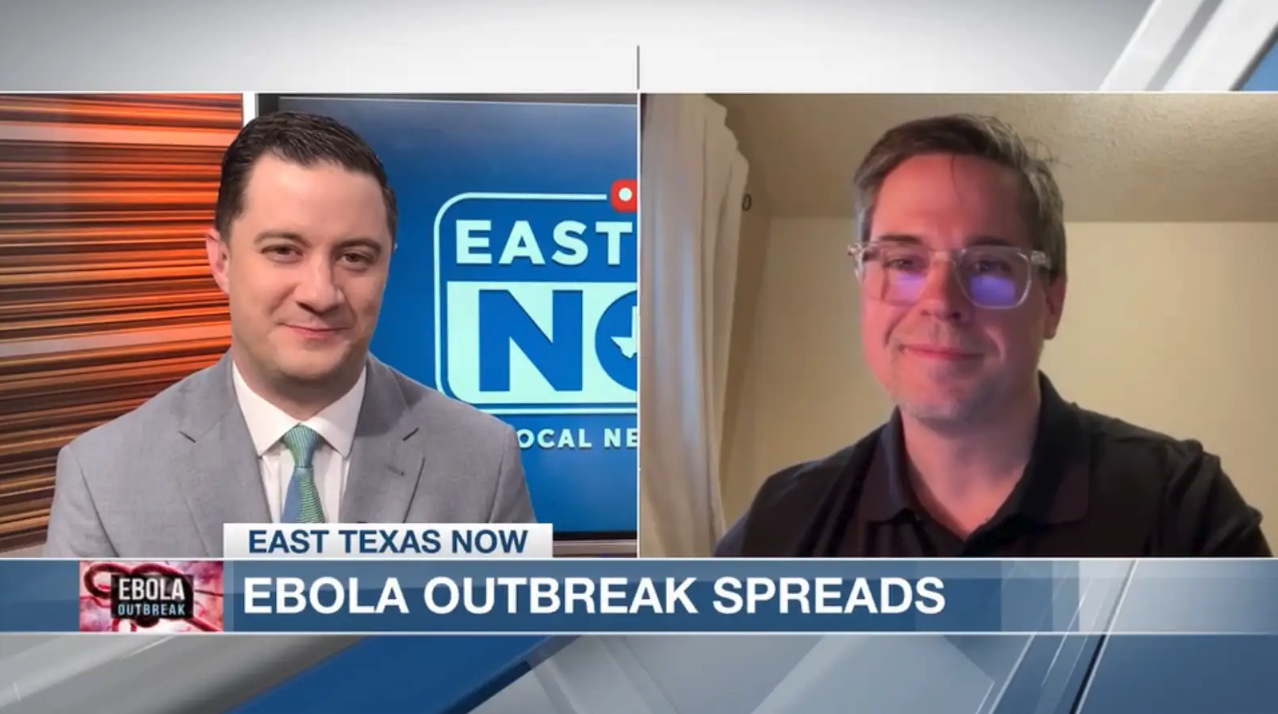
Sight.org Founder and President Lewis Swann recently joined East Texas Now to discuss the Ebola outbreak in the Democratic Republic of Congo and Uganda.
During the interview, Lewis reflected on lessons learned during the 2014 Ebola outbreak in West Africa and explained why the effects of an outbreak can reach far beyond the countries where cases are reported.
An Ebola Outbreak Far from Sight.org’s Work in Togo
Sight.org works in Togo, approximately 1,500 miles from the area affected by the outbreak. Our work continues largely unaffected, and our team remains focused on restoring sight, equipping local medical professionals, and sharing the gospel in communities across Togo.
However, physical distance does not always prevent an outbreak from affecting other African countries.
As Lewis explained during the interview, one of the greatest challenges is the fear that surrounds Ebola.
Fear Can Travel Farther Than the Outbreak
The Ebola virus itself is a serious concern. At the same time, fear and misunderstanding can create another kind of harm across parts of the continent.
When people hear the words “Ebola” and “Africa,” they may mistakenly believe that the entire continent is experiencing the same level of danger. In reality, Africa is made up of 54 different countries, and an outbreak in one region does not mean every African country is affected in the same way.
Even so, fear can influence decisions about travel, tourism, missionary work, international aid, and humanitarian service.
Communities located far from an outbreak may experience fewer visitors, reduced economic activity, or interruptions to important programs. Local businesses and families can feel the effects even when no cases have been reported in their country.
Fear can travel farther than the outbreak itself. This was one of the central messages Lewis shared during the interview.
Lessons from the 2014 Ebola Outbreak
Lewis witnessed similar effects during the 2014 outbreak in West Africa. Although the virus was concentrated in specific countries, concern spread much farther.
Travel plans changed. Mission and humanitarian organizations adjusted or suspended their work. Tourism declined, and communities outside the outbreak area experienced economic consequences.
These experiences showed that responding to an outbreak requires more than addressing the virus itself. Clear information, thoughtful communication, and an accurate understanding of Africa’s geography are also important.
Sight.org’s Work in Togo Continues
Sight.org is closely watching the situation, but our work in Togo continues largely unaffected.
Our team remains committed to providing sight-restoring eye care, equipping local medical professionals, and sharing the hope of the gospel with the patients and communities we serve.
We are grateful to East Texas Now for giving Lewis the opportunity to share Sight.org’s experience and help viewers better understand the wider impact an Ebola outbreak can have.
Watch Lewis Swann’s full interview with East Texas Now:
Thank you for continuing to pray for Sight.org’s work in Togo and for the individuals, healthcare workers, families, and communities affected by the outbreak.


